

Summary

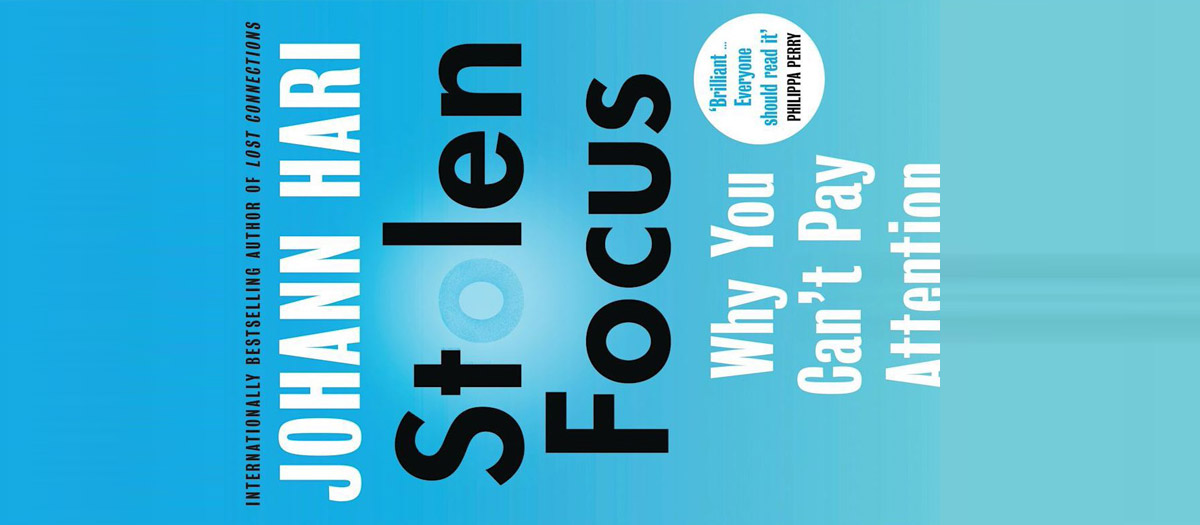
Stolen Focus by Johann Hari explores the growing crisis of human attention in the modern world. The author investigates how factors such as social media, technology design, workplace culture, and environmental stressors are fragmenting our ability to concentrate. Through research and interviews with experts, he argues that the decline in focus is not just an individual problem but a systemic one. The book offers insights into how attention can be reclaimed by changing personal habits and addressing broader societal structures that undermine deep thinking.

You check your phone every three minutes. Your mind wanders during long meetings. Tech companies build trap algorithms to hold your eyes. This book shows you how to beat the code, lock your screen, and get your deep focus back.

Why You Can’t Pay Attention

Every time you look away from your work, you spend a bit of mental cash. Your brain takes time to load the new task and even more time to go back to the old one. This leaves you drained before the day ends.

We treat time as our main wealth, but clear thought is what gets things done. If you do not track where your mind goes, loud apps and screens will gladly spend it for you. You must guard your focus like gold.

Batching tasks keeps your focus budget intact. The world hands us small tools to fix big flaws. We buy apps to block other apps. We set timers to stop scrolling. When these cheap tricks fail, we feel bad. We think we lack strength. We take the blame for a rigged game. 

Big firms dodge fault by pushing the hard work onto you. They build a huge machine to steal your time, then sell you a small shield to fight it off. You win your days back when you stop testing the shield and start breaking the machine.

Big problems need new rules, not small stretches.

Your brain has a hard limit. You cannot process two complex thoughts at the exact same time. When you try to juggle tasks, your mind just sprints back and forth. Each jump burns up time and drains your mental battery.

You end up doing a worse job on everything. We often mistake busy movement for hard work. Fast switching gives you a quick rush of feeling productive. Great output requires long blocks of quiet time. You must protect your attention from small interruptions to build anything of lasting worth.

Blocking interruptions saves your mental battery for deep work. Doing one thing at a time prevents costly mistakes.

We rely on raw grit to ignore our screens. We tell ourselves to just look away, but fighting that urge drains the exact mental fuel we need to think deeply. You take control by fixing your space.

A physical lock takes the choice out of your hands. Once the option is gone, your brain drops the tug-of-war and settles down to work.

Removing the option kills the urge.

Tech firms changed their goal from helping you find things to keeping you stuck. They test bright colors, loud pings, and endless feeds to see what grabs your eyes. Every app on your screen acts like a net built to drain your time for ad revenue.

We often blame ourselves for losing focus. The math tells a different story. You cannot outsmart a system that pays thousands of smart people to break your defenses. You buy your time back by stepping out of the game entirely and turning the alerts off.

Physical space breaks the algorithm’s grip.

Bad air does more than hurt your lungs. When we breathe in dirty air from cars and factories, tiny bits of waste enter our blood. They travel up to the head and cause swelling. This physical damage ruins your ability to hold a thought or focus on a task. We often blame ourselves for losing focus. We think we lack willpower or spend too much time on screens. The truth is that our physical space controls our mental limits. Clean air is a hard requirement for a clear mind.

When deadlines loom, we shed joy to buy time. We drop walks, talks, and sleep to squeeze out a few more drops of work. This trade starves the mind of the exact fuel it needs to think clearly and hold a thought.

We often treat rest as a soft extra we can cut when things get tight. Biology shows that stripping away downtime wrecks the brain. You win back your focus by fiercely guarding the things that seem to have no point at all.

Physical movement breaks the mental block and sparks ideas. Protecting play keeps your mind sharp for hard tasks.

Staying awake forces your brain to burn fuel and dump waste. This trash builds up as the hours pass, blocking your ability to think. Sleep acts as a physical street sweeper. Your cells shrink, and fluid rushes through the gaps to wash the sludge away. We often treat rest as a weak choice or a waste of time. Biology sets a harsh rule. You buy sharp focus and quick choices by paying the hard toll of sleep. 

A dirty engine runs slow, and a tired mind will always drop the ball. A clean brain solves hard problems faster.

Pushing the brain past its limit drains your focus. A shorter schedule creates a strict boundary that forces you to drop useless tasks. You stop wasting hours on minor details and start attacking the core work.

Rest builds the foundation for sharp thoughts. You buy high performance by stepping away from the desk. A tired mind spins its wheels, while a fresh brain finds the fast track to the finish line.

Less noise forces deep, productive focus.

Published

January 25, 2022

Author

Johann Hari

Key Features

Research-based analysis, Interviews with experts, Societal critique of attention loss

Genres

Non-fiction, Psychology, Sociology

  • Previous ProjectThe Art of War

  • Next ProjectThe 5 AM club