

Summary

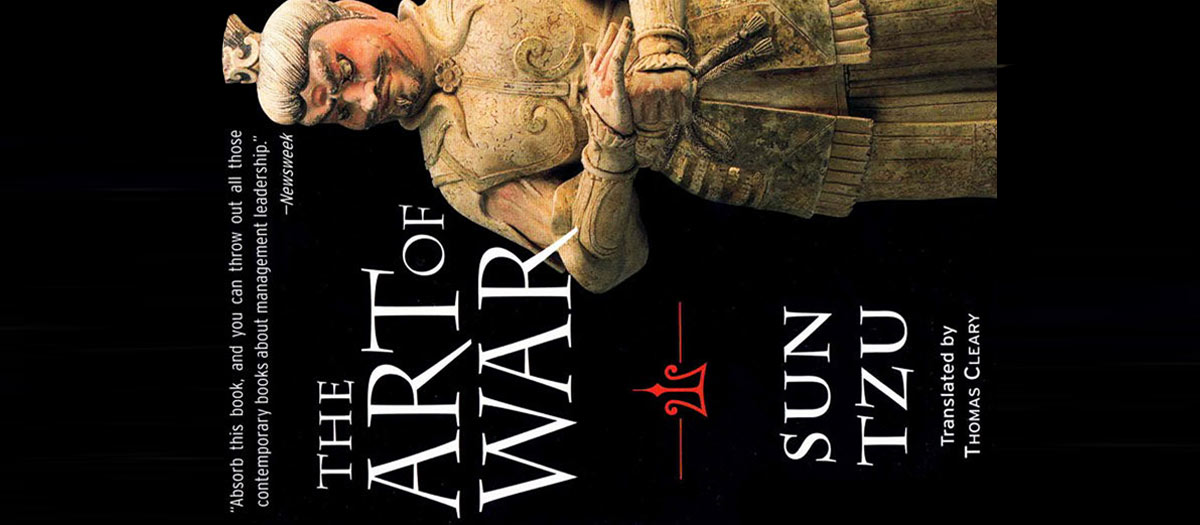
The Art of War by Sun Tzu is an ancient Chinese treatise on strategy, leadership, and conflict. The book emphasizes the importance of preparation, adaptability, and understanding both oneself and the opponent in order to achieve victory with minimal conflict. Through concise principles on tactics, positioning, and decision-making, it teaches that success in war—and in life—comes from careful planning, discipline, and strategic thinking rather than direct confrontation.

Sun Tzu teaches you to bankrupt your enemy before they draw a sword. Victory comes from deep planning and strategic deception. You will learn to manipulate your rival’s mind, master the terrain, and win without fighting. This is the blueprint for total dominance.

Win Every Battle Before It Starts

We often mistake risk for courage. We jump into fights, trusting that our grit will save us. This rush feels bold, but it is reckless. You start a war without checking if you have the gas to finish it.

Winning happens before you act. It goes to the one who counts the costs and checks the ground. If the score is low, you stay put. You only move when the math guarantees you will win. Safety is a product of cold, hard counting.

Anger blinds you to the real odds.

Long supply lines eat up your wealth. When you move resources across great distances, the friction of travel burns them away. You lose more to the journey than to the battle itself. Smart leaders cut the cord. They do not drain their own reserves to sustain a stalemate. They finish the job quickly or find a way to make the problem pay for itself.

Time costs more than the settlement fee.

Most people think winning means breaking things. But when you smash a rival, you ruin the prize you fought for. The goal is to take the object of your desire while it is still whole. You want the assets, not the ashes.

Skill is forcing the other side to give up before a shot is fired. The best generals attack the plan or the alliances first. If you must clash on the field, your strategy has already failed. You preserve your strength by making the enemy surrender theirs.

Attack their strategy, not their strength. Dissolve the conflict before the meeting.

We often try to manufacture a win through sheer effort. We push, spend, and fight, thinking output equals outcome. But you cannot force an enemy to fail. That timing belongs to them, not you.

Success starts with defense. You make your own position air-tight so nothing can hurt you. Once you are safe, the win becomes a matter of time. You don’t beat them; you let them break themselves.

Secure your base. If you have no cracks, their mud won’t stick. 

Survival is the priority. You win by being the last one standing. Most leaders rely on the sweat of their team to force a result. They believe success comes from grinding harder or pushing heavier loads. This approach burns people out because it fights against the natural friction of the environment.

Smart generals ignore the individual struggle and focus on the slope. When you place your goal on steep ground, the weight of the situation creates the speed. Even a weak force can move a heavy round stone if the hill is steep enough.

We often waste energy attacking where an opponent is strongest. We try to argue with the stubborn or outspend the wealthy. This is crashing against a mountain. It drains your reserves while the obstacle remains unmoved.

Impact happens when you act like water. You must scan the landscape for the cracks and the low ground. Find what is missing or unguarded, then rush in with full force. You win by flowing through the gaps.

Don’t hit their shield. Hit the gap. Flow around the fear, not into it.

We assume the straight line is always the fastest route. But in conflict, the direct path is exactly where the enemy waits with their shield raised. You waste all your energy bashing against a wall that was built to stop you.

Smart movers accept a longer distance to find an open door. By appearing to wander off the main road, you lower their guard. You trade extra miles for zero resistance, arriving fresh while they wait for a fight that never comes.

Clear the path before you walk it. Change the terrain to where you win.

Authority fades with distance. The person sitting in the corner office cannot see the terrain like the soldier in the mud. When orders clash with reality, the map is wrong. You serve the mission, not the command. Blindly following a bad plan is reckless. True safety comes from having the guts to say no to save the result.

Protect the outcome, not the ego. Context beats compliance.

We usually focus on the loud words people say. We trust the slide deck, the promise, or the handshake. But intent always leaks out through the cracks. A nervous glance or a sudden silence tells you more than a signed contract ever could.

Reality is heavy and hard to hide. When someone tries to mask a threat, the strain shows up in the margins. If you train your eyes to spot these tiny breaks in the pattern, you see the ambush before the enemy draws a weapon.

Silence often means they have mentally left.

We often think skill works the same way everywhere. We believe a good plan wins in every room. But the ground beneath you shapes the result more than your effort. Some spots are built to let you in easily, only to trap you once you step inside.

You must read the map before you march. If the spot allows no easy exit, you do not move unless you are sure to win. Power stays with the one who fits their action to the shape of the land.

We think backup plans keep us safe, but they often steal our drive. When you have a Plan B, your brain saves energy for the escape. You hesitate because you know you can afford to lose and still survive. 

Peak performance demands a lack of choice. Armies with their backs to a cliff fight with a wild strength that safe troops never find. If you want to take the hill, you must cut the rope that lets you climb back down.

Financial loss creates a “death ground” that forces you to work. When they must sell to eat, they will find a way to close deals.

You cannot beat a giant by playing their game. If you attack a strong enemy head-on, you lose. You must first start a “fire” ‘, a sudden, wild problem, that forces them to look inward and scramble for water. Chaos creates the only real openings. A stable system defends itself too well. You must break their rhythm with a shock to their supply or name. When they turn to fight the flames, their back is finally open to your sword.

A crisis forces faster innovation than a lecture.

We often look at the price tag of information and flinch. It feels like throwing cash into a void because you get no physical goods in return. This stinginess blinds you. You march into the dark to save a few coins, only to lose your entire fortune in an ambush you never saw coming.

History shows that winning requires knowing the other side’s cards before they play them. You cannot guess, pray, or calculate this data. You must pay for it. The most expensive item in any budget is the surprise that ruins you. Spend gold to save blood.

Only locals know the hidden traps.

Published

Approx. 5th century BC

Author

Sun Tzu

Key Features

Strategic principles, Military philosophy, Timeless tactical wisdom

Genres

Philosophy, Strategy, Military

  • Previous ProjectThe Art of Thinking Clearly

  • Next ProjectStolen Focus