
Summary

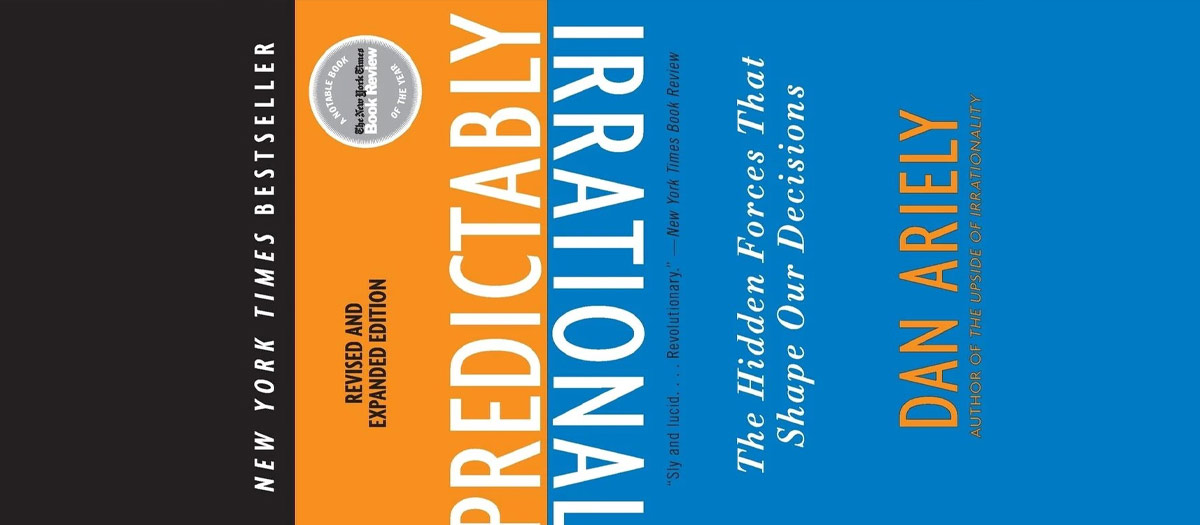
The hidden forces that shape our decisions.  You think you make smart choices. You weigh costs. But hidden forces twist your logic daily. Dan Ariely exposes the traps that cause you to overpay, procrastinate, and cheat. Catch these errors and keep your money.

Why We Make Bad Choices

We do not know what things cost on their own. We look at the items next to them to figure out their worth. A bad choice placed next to a good choice tricks your brain. It makes the good deal look like a steal. You control how people choose by changing the background. If you want someone to pick a certain path, you put a worse path right next to it. Contrast drives every single choice we make.

We judge costs by looking at the first number we see. Once a price drops into our minds, it stays there. We use that starting point to weigh every other deal that follows. A high starting mark makes a normal cost look cheap. You control the room when you name the first price. The person who speaks a number first sets the rules of the game. Buyers and sellers will fight over the final amount, but they will always dance around that original mark.

Ignore the starting number to see real worth.

We treat the price of zero completely differently than any other number. When a cost drops to nothing, we stop weighing the good and the bad. We only see the bright side. The deep fear of making a wrong choice simply fades away.

You pay for free goods with your time, your focus, or missed chances. Companies use the zero price tag to blind you to the heavy cost of a bad deal. You buy the right to own your choices by ignoring the giveaway and looking straight at the math.

We live in two different worlds. One is built on warm ties and free favors.

The other runs on cold cash and strict math. When you cross the lines, the rules of money take over. People stop acting like kind peers and start acting like hired hands. Deep bonds break when you treat them like a shop. You build strong trust through shared time and simple gifts. If you want true loyalty from your group, keep your wallet closed. Offer your sweat, share a hot meal, and leave the coins out of it.

A small gift repays the debt without breaking trust.

We make rules when our blood runs cool. A calm mind builds perfect systems. It assumes the body will always obey. Then stress hits. Hunger strikes. Anger flares. The brain switches gears to survive the moment. It throws out the long term plan to grab quick relief. The rational pilot gets locked out of the cockpit.

You must build guardrails for your worst days. A good system forces you into doing the right thing when you lose control. If you want to save cash, delete the payment apps. If you want to eat well, clear out the junk food. Assume your future self will act like a wild animal. Build a cage that keeps you safe from your own instincts.

You remove the choice before the urge strikes.

When you leave tasks open-ended, your brain naturally delays the hard work. Without a hard stop, you fill the time with easy distractions. You think you will find the drive tomorrow. Tomorrow never comes. Give yourself strict rules. Set hard dates for every step of a project. Tell a friend to hold your money if you miss the mark. You get things done when you build walls around your time.

Holding a thing changes how your brain sees it. You stop looking at its market price and start counting your memories. The fear of loss takes over your mind, making you blind to the cash you could gain. People will always demand more to give up an item than they would ever pay to get it. You must detach your feelings from your assets if you want to make clear choices. Things are just things, and keeping them costs you real wealth.

We wire our brains to think that having more paths makes us safe. We spread our time thin to keep every single route alive. This constant switching drains the exact focus needed to win at the one thing that actually matters. Growth demands a heavy cut. You gain speed only when you actively kill off good choices to make room for great ones. Shutting a route feels like a loss,

but it buys back your time and clears the fog from your daily work.

Cutting good options forces you to build a great primary business.

Leaving backup doors open stops you from fully committing to the present.

What we expect to see completely shapes what we actually feel. When you tell someone a meal is fancy, their mouth builds a better flavor. The text on a box works like a strong spice. You shape reality before anyone takes a bite. Set high hopes early so people enjoy the ride. If you wait until the end to share the good news, you waste the chance to make the trip better.

We link cost to worth. When you pay a high price for a pill, your brain expects a strong fix. That belief tells your body to release natural chemicals to dull the ache. The high cost builds a mental bridge that changes your physical state.

Expectation shapes reality. If you treat a cheap tool as weak, it will fail you. If you trust a costly fix, you will find a way to make it work. Your mind writes the script before the action even starts.

High cost signals high quality to the brain.

You want to think you are a good person. At the same time, you want the free perks that come from bending the rules. Your brain solves this clash by letting you steal a tiny amount. You grab a pen from work or round up a tip. You ignore the small crime to keep your ego safe.

Systems break when they rely on pure honor. People will always find a way to take a little off the top. You must build checks and rules that remove the gray areas entirely. Clear lines force folks to choose between being honest or acting like a total crook.

Small, forced steps prevent the final panic.

We build a thick wall between cash and objects. When we deal with hard bills, our brains see the math clearly and keep us honest. When we swap bills for plastic cards, points, or items,

that sharp edge gets dull. We grab what we want because the shape of the thing hides the real cost. Distance breeds blind spots. You write off small thefts and bad trades when the numbers hide behind a screen or a physical good. Leaders who want clean books must attach a hard, dollar price tag to every single choice. You keep people honest by making the stakes impossible to ignore.

Handing over paper bills makes the loss feel painful and real.

We think our future selves will make smart choices. We plan to eat well, save cash, and go to bed early. Then the moment hits, and our urges take over. You cannot trust your tired brain to make hard choices in the heat of the moment. You must build hard walls against your own bad choices. Set up strict rules that force you to do the right thing when you feel weak. Block your own paths to fail while your mind is still clear and strong.

You removed the choice entirely while you had strength.

Published

February 19, 2008

Author

Dan Ariely

Key Features

Behavioral economics experiments, Decision-making biases, Irrational behavior patterns

Genres

Psychology, Economics, Self-help

  • Previous ProjectEgo Is The Enemy

  • Next ProjectThe Courage to Be Disliked